
Meta Description: Forget saturated markets. Discover why the Middle East, North Africa, and Southeast Asia are the next frontiers for toy growth. We analyze demographic trends, cultural drivers, and entry strategies for 2026.
While traditional markets in North America and Europe remain crucial, their growth rates have matured. The most dynamic and untapped opportunities for global toy brands in 2026 lie in the burgeoning consumer economies of the Middle East, North Africa (MENA), and Southeast Asia (SEA). Success in these regions, however, requires moving beyond a one-size-fits-all export model and developing a nuanced, localized understanding of distinct demographic and cultural forces.
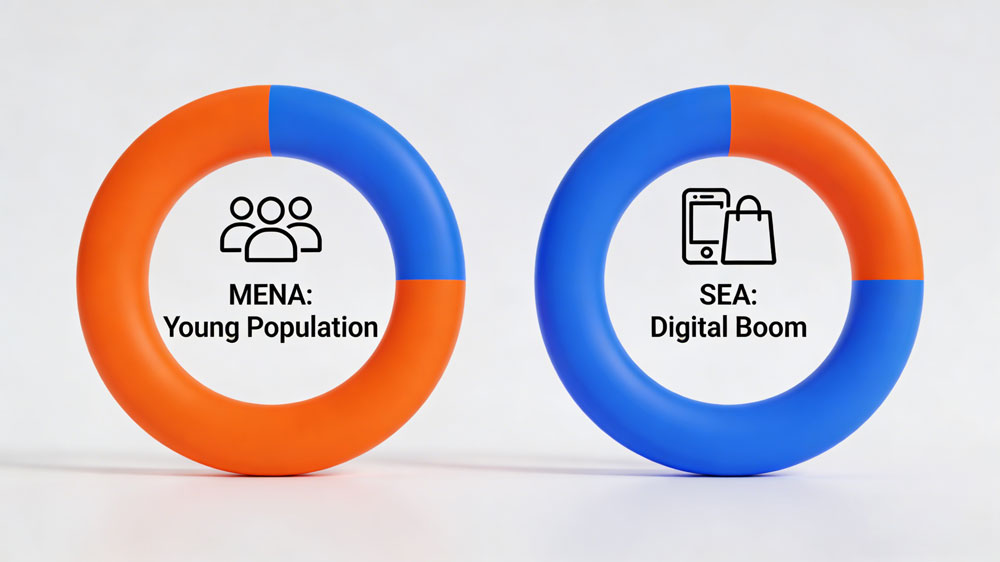
Demographic Powerhouses: Young, Growing, and Connected
The fundamental driver is demographics. Both MENA and SEA have median populations under 30, with high birth rates in key markets like Saudi Arabia, Egypt, the Philippines, and Indonesia. This creates a massive, naturally renewing base of young children and teens. Furthermore, rapid urbanization, rising disposable incomes among a growing middle class, and some of the world's highest smartphone penetration rates are fueling a retail revolution, blending modern malls with booming e-commerce.
Cultural Drivers and Product Localization
MENA: Premiumization, Digital Adoption, and Family Values: The Gulf Cooperation Council (GCC) countries have a strong appetite for licensed, high-quality, and premium collectibles. Brand-conscious parents seek educational and tech-enabled toys. The region is also a leader in digital adoption, making apps and connected toys highly appealing. Culturally, toys that reinforce family bonds and align with local values (e.g., modest character clothing) resonate deeply. Key retail moments are centered around Eid festivals, Ramadan, and back-to-school seasons.
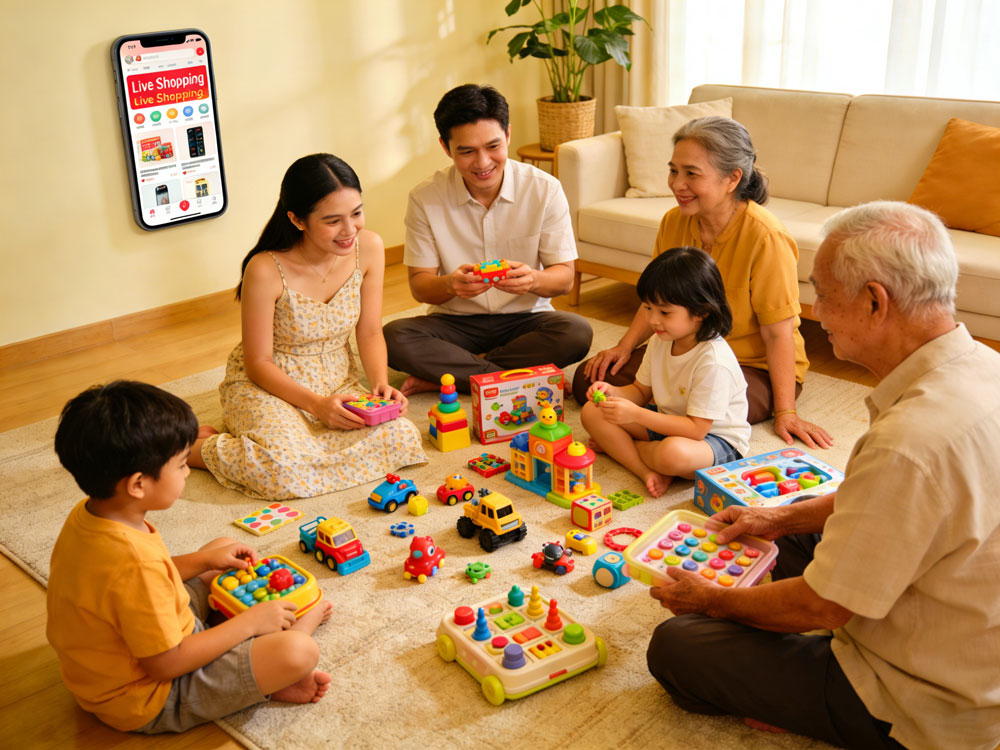
Southeast Asia: Value, Pragmatism, and Social Commerce: While also brand-aware, SEA consumers are highly value-conscious. Multipacks, versatile toys, and strong price-to-quality ratios are key. Education is a paramount concern for parents, driving demand for STEM kits and learning aids. The market is dominated by social commerce via platforms like TikTok Shop and live streaming on Shopee and Lazada. Success hinges on influencer marketing and seamless cross-border e-commerce logistics. Celebrations like Lunar New Year in Vietnam and Singapore or Diwali in Malaysia create specific gifting surges.
Strategic Pathways for Market Entry
Strategic Partnerships: Rather than going alone, partnering with established local distributors or retailers is often the fastest route to understanding logistics, regulations, and consumer preferences. Joint
ventures with regional e-commerce platforms can also provide immediate scale.
Phased Geographic Rollout: Start in a regional hub with developed retail infrastructure (e.g., Singapore for SEA, Dubai for MENA) to test products and marketing before expanding to larger, more complex markets like Indonesia or Saudi Arabia.
Hybrid Retail Strategy: Develop an omnichannel presence that combines flagship stores in premium malls for brand building with a robust, localized online storefront on dominant local platforms to drive volume.
Hyper-Localized Marketing: Invest in content creation with local influencers, adapt packaging and instructions into local languages, and ensure marketing campaigns align with regional holidays and cultural nuances.
For toy brands willing to invest in understanding these vibrant and diverse markets, the rewards are substantial. The MENA and SEA regions represent not just new customers, but the primary growth engines for the global toy industry in the coming decade.
Post time: Mar-04-2026


