
In the high-stakes arena of global B2B e-commerce, small and medium-sized enterprises (SMEs) often grapple with a resource gap: lacking the large marketing teams and technical expertise of multinational corporations to effectively attract and engage international buyers. Alibaba.com, a leading platform for global business-to-business trade, is addressing this disparity head-on with its integrated artificial intelligence (AI) tools, moving the needle from mere digital presence to sophisticated digital competitiveness.
The platform’s AI Assistant, a cornerstone of its “Tools for Success” seller ecosystem, is proving to be a force multiplier for SMEs. It streamlines three
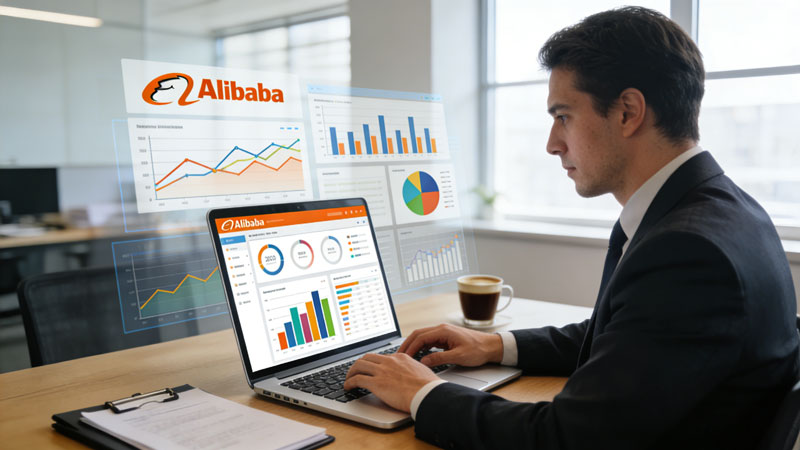
critical, yet time-intensive, operational pillars: content creation, customer engagement, and communication. By automating and enhancing these processes, the tool is not just saving time—it is actively improving business outcomes and leveling the playing field for independent exporters.
Democratizing High-Impact Digital Marketing
Creating compelling product listings in a second language has long been a barrier. The AI Assistant tackles this by enabling sellers to generate optimized product titles, descriptions, and key attribute tags from a simple prompt or existing image. This goes beyond basic translation; it incorporates search engine optimization (SEO) best practices and B2B-centric terminology that resonates with professional buyers.
The impact is tangible. A textile exporter based in Zhejiang province utilized the AI tool to overhaul descriptions for a line of sustainable fabrics. By integrating relevant technical specifications, certifications, and application-focused keywords suggested by the AI, their listings saw a 40% increase in qualified buyer inquiries within two months. “It was as if we suddenly learned the precise vocabulary of our international clients,” the company’s sales manager noted. “The AI didn’t just translate our words; it helped us speak their language of business.”
Furthermore, the tool’s ability to auto-generate short marketing videos from product images is revolutionizing how SMEs showcase their offerings. In an era where video content significantly boosts engagement, this feature allows resource-constrained sellers to produce professional-looking assets in minutes, not days.
Bridging the Communication Chasm with Intelligent Analysis
Perhaps the most transformative feature is the AI’s capacity to analyze inbound buyer inquiries. It can assess message intent, urgency, and specific requirements, providing sellers with responsive reply suggestions. This accelerates response times—a critical factor in closing B2B deals—and ensures no nuanced request is overlooked.
Coupled with robust real-time translation capabilities across dozens of languages, the tool effectively dismantles communication barriers. A machinery parts supplier in Hebei reported a significant reduction in misunderstandings with clients in South America and the Middle East, attributing smoother negotiations and faster order finalization to the clarity provided by the AI-powered translation and communication aid.
The Irreplaceable Human Element: Strategy and Brand Voice
Alibaba.com and successful users emphasize that the AI is a powerful co-pilot, not an autopilot. The key to maximizing its value lies in strategic human oversight. “The AI provides an excellent, data-driven first draft. But your brand’s unique value proposition, your story of craftsmanship, or your specific compliance details—that must come from you,” advises a digital trade consultant working with SMEs on the platform.
Sellers must meticulously review and customize AI-generated content to ensure it aligns with their authentic brand voice and technical accuracy. The most successful sellers use the AI’s output as a foundational scaffold, upon which they build their distinct competitive narrative.
The Road Ahead: AI as a Standard for Global Trade
The evolution of Alibaba.com’s AI tools points toward a future where intelligent assistance becomes a standard infrastructure for cross-border trade. As these algorithms learn from vast datasets of successful global transactions, they will offer increasingly predictive insights—suggesting potential high-demand products, optimizing pricing for different markets, and identifying emerging buyer trends.
For the global SME community, this technological shift represents a monumental opportunity. By adopting and adeptly integrating these AI tools, smaller exporters can achieve a scale of operational efficiency and market insight previously reserved for larger corporations. The future of B2B trade is not just digital; it is intelligently augmented, empowering businesses of all sizes to connect and compete with newfound sophistication and reach.
Post time: Dec-13-2025


