
Amazon is just the start. Learn how innovative toy companies are building global Direct-to-Consumer (D2C) empires through niche platforms, localized social media, and smart logistics in 2026.
The global toy retail map is being redrawn, not by brick-and-mortar giants, but by digital-native brands and agile traditional players embracing Direct-to-Consumer (D2C) models. While marketplaces like Amazon remain vital channels, the true e-commerce evolution in 2026 is about brands building owned, global online relationships that yield higher margins, richer customer data, and fierce loyalty. This is the playbook for winning in the new digital frontier.
The “Channel Stack”: A Multi-Platform Approach
Successful global D2C is no longer about having just one website. It's about building a strategic “channel stack” tailored to different customer touchpoints:
The Brand’s Owned Empire: A flagship .com e-commerce site powered by platforms like Shopify Plus or BigCommerce is the cornerstone. It offers full
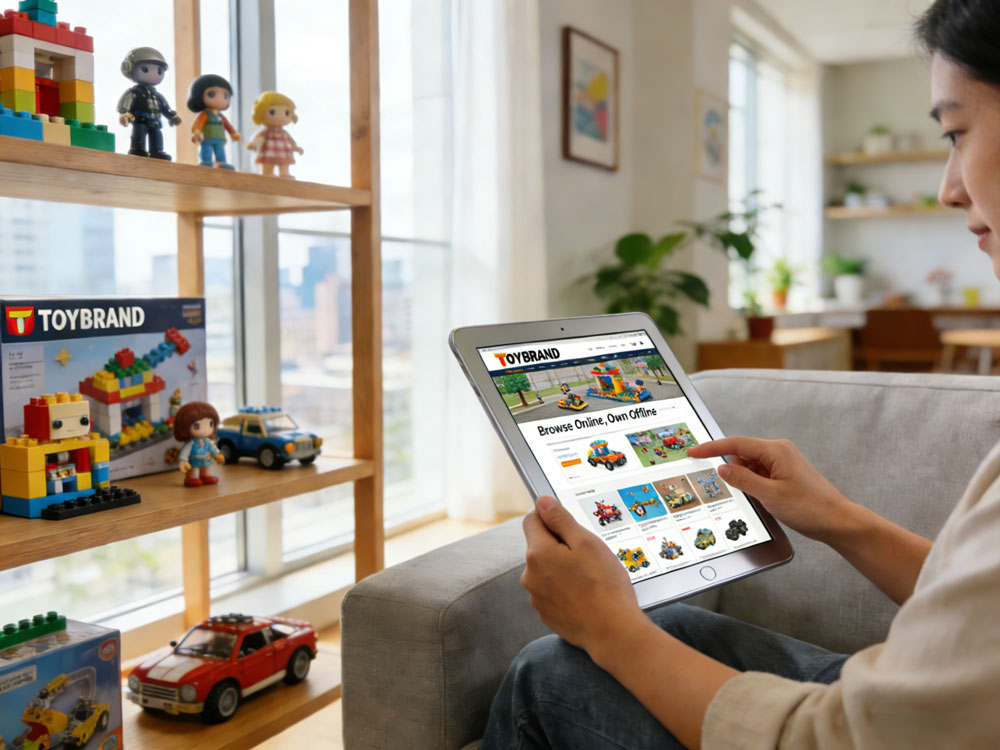
brand experience, control, and customer data ownership. This is often supplemented by brand stores within major marketplaces (Amazon Brand Store, Tmall Flagship Store) to capture high-intent search traffic.
Niche & Specialized Platforms: For certain segments, platforms like Etsy (for handmade, custom, or vintage), Cults3D (for 3D print files), or ShopDisney (for licensed collectors) are critical. They connect brands with highly targeted, passionate communities.
Social Commerce & Live Streaming: Platforms like Instagram Shopping, TikTok Shop, and Douyin have transformed from marketing channels into closed-loop sales engines. Live streaming, where hosts demo and sell toys in real-time, is particularly dominant in Asia and growing rapidly in the West.
Mastering the Global Logistics Labyrinth
Selling globally is one thing; delivering profitably is another. The winners are those who solve the “last-mile” challenge efficiently:
Third-Party Logistics (3PL) Networks: Partnering with 3PLs with fulfillment centers in North America, Europe, and Asia enables fast, cost-effective local delivery, drastically improving customer experience and reducing cart abandonment.
Duties & Taxes Clarity: Integrating solutions like Global-e or Avalara at checkout provides upfront, all-inclusive pricing (DDP - Delivered Duty Paid), eliminating surprise fees for customers—the number one reason for international cart abandonment.
Sustainable Packaging: Optimizing package size and using recycled materials isn't just good for ESG; it directly reduces shipping costs and appeals to modern consumers.
Data: The Fuel for Personalization and Retention
The supreme advantage of D2C is direct access to first-party data. Smart brands use this to:
Personalize marketing with targeted email campaigns and product recommendations.
Launch successful crowdfunding for new products on Kickstarter or Indiegogo, validating demand before mass production.
Build subscription models (“Toy of the Month” clubs) that guarantee recurring revenue and deepen customer relationships.
The Future is Omnichannel, Not Just Online
The endgame is not a purely digital existence. The most sophisticated D2C brands are creating phygital (physical+digital) experiences. They use pop-up shops in key cities, allow in-store pickup for online orders, and ensure their products are discoverable on Google Shopping. They understand that the modern consumer journey is fluid, and their brand must be present and seamless at every step.
In 2026, a robust D2C strategy is not an optional experiment for toy brands; it is a fundamental pillar of global growth. It empowers brands to tell their own story, own their customer relationships, and capture the full value of their innovation.
Post time: Mar-21-2026


