
Plush toy exhibition area surged 147% at Shenzhen Toy Fair 2026. From traditional stuffed animals to design-led collectibles, emotional value is driving a new wave of global demand.
SHENZHEN – At the 38th Shenzhen Toy & Pop Culture Fair (April 2026), the most eye-catching growth story was neither AI robotics nor high‑tech gadgets. It was the simple, long‑familiar, but thoroughly reinvented stuffed animal: the plush toy. According to official fair data, the exhibition area allocated to plush toys expanded by a staggering 147% year-on-year—by far the largest percentage gain among all toy categories at the fair.
The rise of “emotional consumption”
The driver behind this growth is what analysts term“emotional value consumption” or“emotional consumption.” Plush toys are no longer marketed
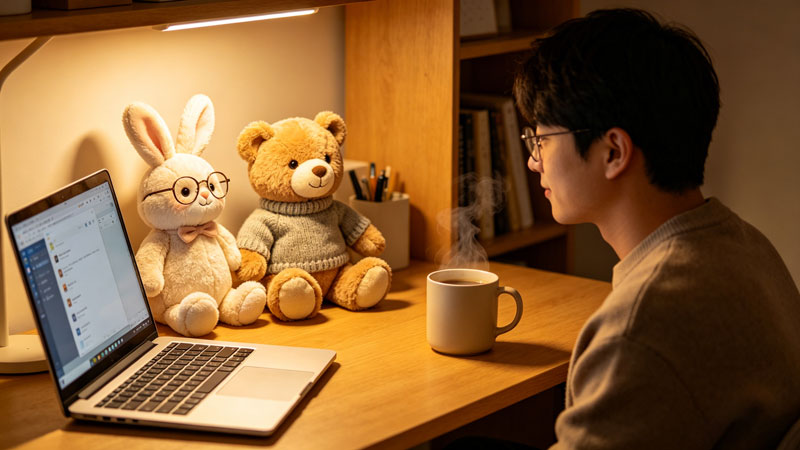
solely to infants and toddlers. Instead, they have evolved into all‑age“emotional commodities” that serve as collectibles, stress relievers, comfort objects, and lifestyle accessories for teenagers and adults alike.
The rise of “emotional consumption“ represents a fundamental shift in the relationship between consumer and product: people now buy not just what a toy does (its functional utility) but also how it makes them feel (its emotional resonance).
Design-led plush: From basic bears to cultural statements
The new generation of plush toys is light-years removed from the basic teddy bears of the past. At the Shenzhen fair, exhibitors displayed plush dolls decorated with traditional intangible cultural heritage elements, including hand‑embroidery and classical Chinese motifs. These“premium plush” products—positioned more as art objects than children’s playthings—drew strong interest from buyers across Southeast Asia and the Middle East.
Integration with the pop culture ecosystem
Plush toys are also increasingly integrated with the broader pop culture ecosystem. Pop culture brands such as POP MART and 52TOYS have incorporated plush into their product portfolios as natural extensions of their character-based IPs. For collectors, a limited-edition plush version of a favorite IP character is often as desirable as a traditional PVC figurine or vinyl art toy.
Market prospects
According to iiMedia Research, the size of China‘s“emotional economy“—defined as consumer spending driven primarily by emotional satisfaction rather than pure functional needs—is projected to grow from RMB 2.7 trillion in 2025 to RMB 4.6 trillion by 2029. Within this broader emotional economy, plush toys constitute one of the most accessible and fastest-growing product categories.
Global resonance
The 147% expansion of plush exhibition space at the 2026 Shenzhen Toy Fair is not an isolated domestic phenomenon—it reflects a structural shift in global consumer preferences. In high-income markets across North America, Europe, and East Asia, adults increasingly purchase plush toys as gifts for other adults, as desk companions in home offices (a pattern accelerated by the rise of remote work), and as collectible“comfort objects” for display on shelves alongside designer figurines and art prints.
From a niche category primarily associated with very young children to a mainstream all‑age“emotional commodity,” plush toys have successfully reinvented themselves for 2026. And the message for global buyers is unmistakable: the plush boom is not a short‑lived flash in the pan—it is part of a larger structural shift in how consumers worldwide spend money on toys.
Post time: Jun-08-2026


