
Jiangxi, March 6, 2026 – The escalating military conflict in the Middle East has dealt a severe blow to global trade, with foreign trade companies facing an unprecedented crisis as logistics networks grind to a halt and clients vanish from communication channels.
The crisis escalated sharply on February 28 when the U.S. and Israel launched military strikes against Iran. In response, Iran's Islamic Revolutionary Guard Corps announced the closure of the Strait of Hormuz—the world's most critical energy and trade waterway connecting the Persian Gulf to the Indian Ocean. Within days, the Jebel Ali Port in the UAE, the largest container port in the Middle East, suspended operations, followed by similar disruptions at Saudi Arabia's Dammam Port.
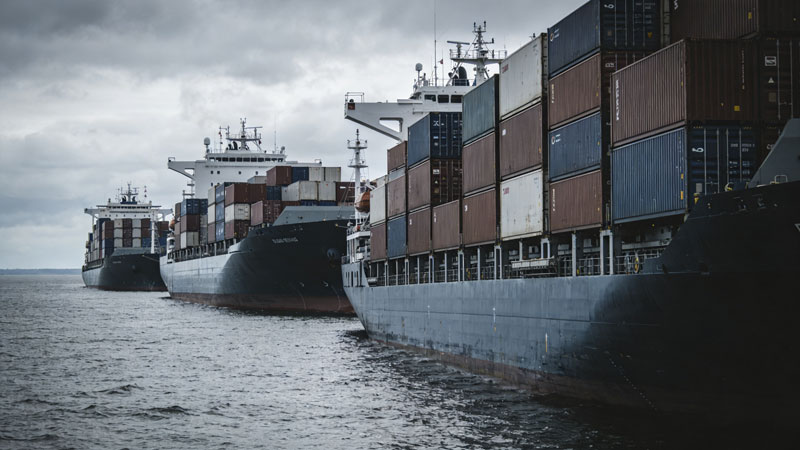
Logistics Networks Severed
The impact on shipping has been immediate and devastating. Major carriers including Mediterranean Shipping Company (MSC), Maersk, and Hapag-Lloyd have suspended booking services to the Middle East region. Vessels already en route remain stranded at sea or are being rerouted around the Cape of Good Hope, adding weeks to delivery schedules.
"We have containers stuck at the freight forwarder's warehouse with no way to ship them out," lamented Li Haoyang, a cross-border e-commerce seller focused on the Middle East market. "The Jebel Ali Port and Dammam Port—the region's most critical hubs—are both shut down. Even if we wanted to ship, there's nowhere for the goods to go".
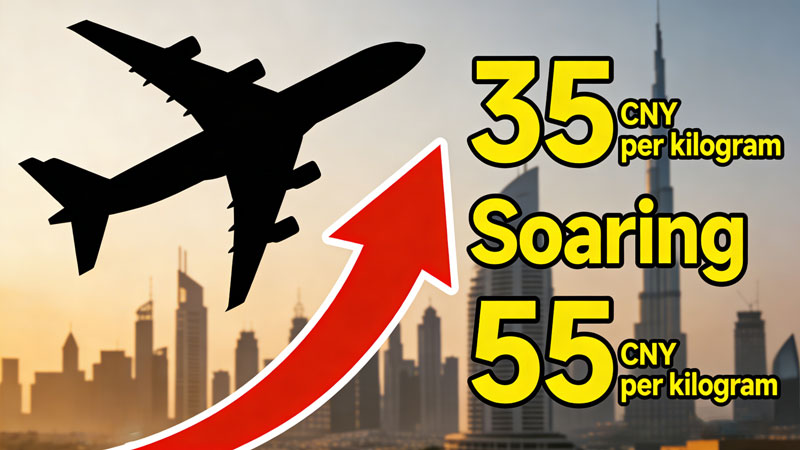
Air freight has fared no better. Multiple Middle Eastern countries, including Iran, Israel, the UAE, Qatar, and Kuwait, have closed their airspace. Dubai International Airport, a global cargo hub, has seen mass flight cancellations. Air freight rates have skyrocketed from 35 RMB per kilogram to over 55 RMB, with prices changing daily.
Clients Lost, Orders Canceled
The human dimension of the crisis is equally troubling. Gu Peng, a market director at a Guangdong robotics company, described the complete communication blackout with Middle Eastern clients. "We can't reach any clients in the region—not for business discussions, not even for basic greetings. All our messages, whether through business email or social apps, have received no response".
The timing couldn't be worse. Early March represents the peak preparation period for Eid al-Fitr, the region's most significant shopping season comparable to Christmas in the West. Merchants who
stockpiled inventory in January now find their goods trapped at ports or airports, unable to reach warehouses before the holiday rush.
Currency volatility has compounded the pain. Li Haoyang reported that a shipment bound for Iraq remains at sea while payment has been canceled entirely—the Iraqi dinar has plummeted so dramatically that local clients "simply cannot afford to pay in dollars anymore".
Secondary Impacts Mount
The crisis has triggered a cascade of secondary effects. Insurance companies have suspended underwriting for shipments passing through the region, leaving cargo owners exposed to total loss risks. Shipping lines have imposed Emergency Conflict Surcharges (ECS) ranging from $2,000 to $4,000 per container, dramatically increasing costs.
Even ground transportation, initially seen as a potential alternative, faces mounting obstacles. While road routes through Central Asia remain technically operational, insurers have stopped covering goods in transit through Iran and surrounding areas. The psychological barrier has raised the threshold for new orders.
"Business-to-business trade has been hit hardest," noted a B2B platform executive. "B2C sellers can still work through platforms without direct client contact. But B2B relies on personal connections, face-to-face meetings at trade fairs, factory visits, and signed contracts. When clients are in a war zone, that entire chain collapses".
Waiting and Watching
For now, most traders have no choice but to wait and watch. Some are exploring alternative routes—shipping first to Oman's relatively stable ports, then transshipping overland to other Gulf countries. Others have pivoted to European and American markets as temporary replacements.
"We're telling everyone to stay calm," said a logistics executive. "This situation probably won't last forever. Sellers might miss this peak season window, but not the entire market. The key is to steady the ship while the storm passes".
As one trader philosophically observed, "The bigger the waves, the more valuable the fish—but only if you can keep your boat steady through the storm".
Post time: Mar-06-2026


